Garage door service planning
What should you tell a technician if your garage door stops partway?
Record where a garage door stopped, what you noticed and how a technician can reach it. Use the service request example to plan an assessment.
Published Nov 5, 2026 · Updated Nov 5, 2026
What should go in your service request?
- 1Keep the doorway clear and use another entrance if available.
- 2Record the direction of travel and the position where the door stopped.
- 3Share any known model information and access constraints.
- 4Ask for the findings and written repair scope after assessment.
What should you do when the door stops partway?
Stop using the controls and keep people and pets away from the opening. Use another entrance if one is available. If a car is inside, tell the service dispatcher it is trapped and describe the access you still have. A door stuck open can also leave the garage exposed, so tell the dispatcher whether it connects to the home and whether you can secure that separate entrance without going near the door.
The Canada Mortgage and Housing Corporation maintenance manual identifies garage door springs as parts under high tension and leaves adjustment or replacement to qualified people. Leave the door where it stopped and ask a technician to check it. If you cannot safely get a view of the opening or equipment, give the dispatcher what you know from memory and let the technician inspect the rest.
- Leave spring work to a qualified person, as CMHC advises.
- Ask for the scope in writing before work starts, following Natural Resources Canada’s contractor guidance.
Which details can you report without moving the door?
Write down whether it was going up or down, roughly how far it travelled, and whether it stopped in place or reversed. Add what you noticed during that attempt, such as a brief sound, an indicator you could already see, or a gap that looked uneven. If it happened more than once before you stopped using it, note whether the behaviour was the same each time. Leave any detail you missed blank.
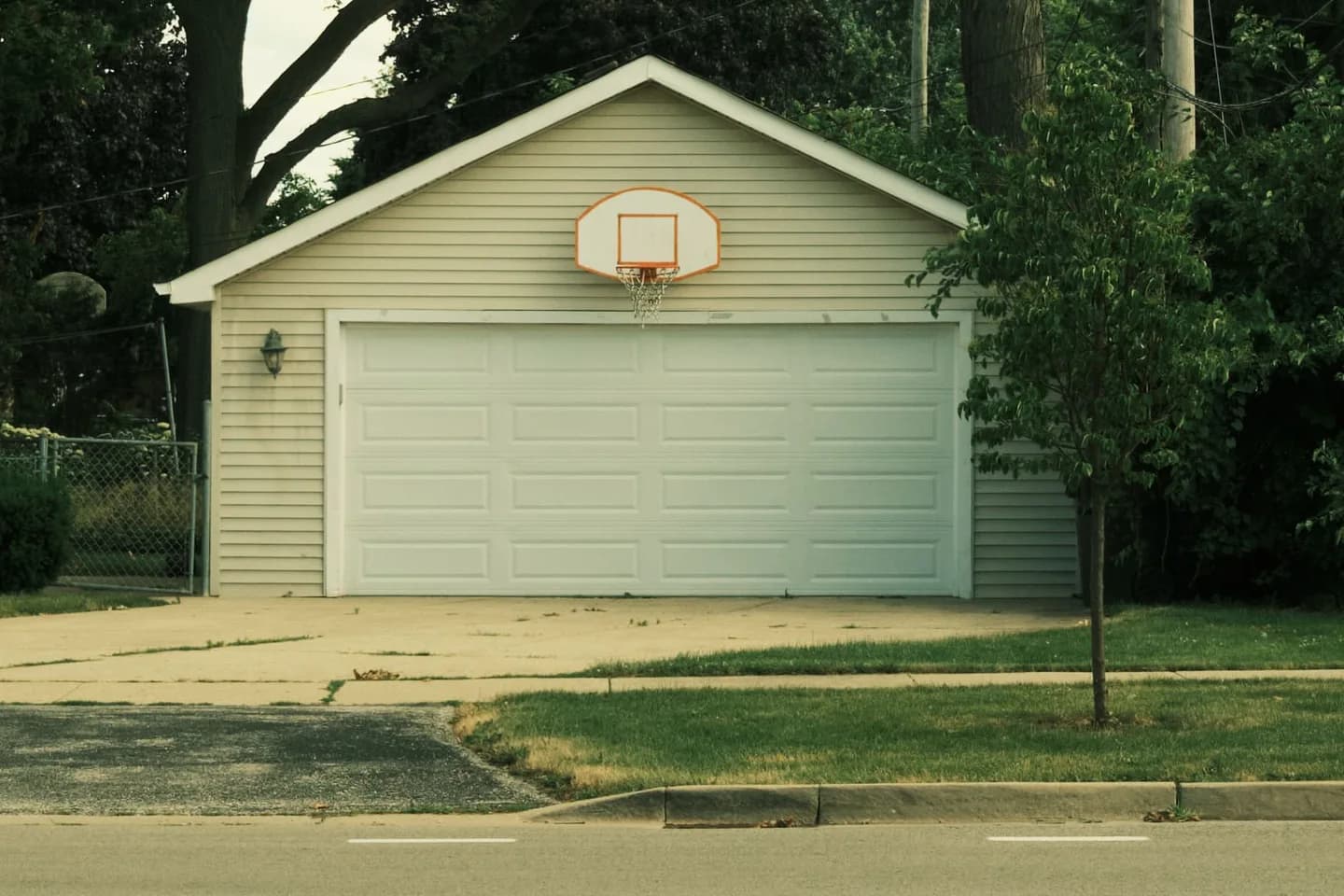
If you already have the manuals or installation invoice, bring those to the call. The door and the opener may have separate model information. List whichever records you can access without climbing, approaching a suspended door or removing covers. A wide photo from a safe position can show the opening and where the door stopped. Describe visible facts in the message so the technician has something useful even if you cannot take a photo.
What does a useful service request sound like?
For example, you could say, “The double garage door was closing with the wall button. It stopped about a third of the way down and stayed there. I heard a short noise but could not tell where it came from. We stopped using it. The side entrance is accessible and one vehicle is inside.” This tells the dispatcher the direction, behaviour, current position and access constraints without turning a noise into a diagnosis.
Use the same order for your own message: door position now, direction of travel, what happened, how the technician can reach the site, and what needs to be secured or freed. Mention any recent work or impact you already know about as background. Ask what the appointment covers and whether the technician can assess both the moving door and its opener during the visit.
What should you ask after the technician assesses it?
Ask what they observed and which part of the system they propose to repair. Have them explain whether the work is on the door and its hardware, the opener and controls, or both. Following Natural Resources Canada’s advice to get contractor quotes in writing, ask for a scope that names the parts, any remaining checks, and the tests they will perform after repair. If they propose further work once the door is secured, ask what findings would trigger it and who will authorize it.
If one estimate replaces the opener while another includes door hardware, ask each contractor what finding supports their approach and what work is excluded. The totals cover different work until those differences are explained. At handoff, ask the technician to demonstrate normal operation and explain when to stop using the door again. Keep the final scope and model information with the invoice for a future service call.
What else should you ask before the service visit?
Should I run the door again to make a video?
Use the details you already observed. A photo from a safe spot may show its position without another cycle. Tell the dispatcher that you stopped using the door and ask what additional information they can gather when a technician arrives.
Should I pull the manual release if the door is partway open?
Leave the release alone while the door is stopped partway. Keep the opening clear and describe the door’s position to a trained technician. If a vehicle or another access issue makes the call urgent, give the dispatcher that detail when booking.
Can the technician help without an opener model number?
Explain what happened and share any paperwork you already have. Ask if the technician can identify the opener and door at the visit. If the label requires a ladder or getting close to the moving parts, leave it for the inspection.
Can I compare estimates before anyone visits?
You can compare what each company includes in its diagnostic visit and how it handles authorization for repairs. For a repair estimate, ask which findings it is based on and which items could change after inspection. Keep preliminary scopes clearly marked.
Editorial and safety note
This guide summarizes public sources for planning and comparison. Rules, restriction stages, program funding, contacts, and emergency conditions can change. Verify current instructions with the responsible authority before acting.