Kitchen ventilation
What should you check before replacing a range hood?
Confirm the existing venting mode, duct route and what your installer will verify before you buy a replacement range hood.
Published Nov 6, 2026 · Updated Nov 6, 2026
What should you confirm before ordering the hood?
- 1Record the existing hood model if available and photograph the cabinet opening.
- 2Ask the installer to verify the current operating mode and any outside outlet.
- 3Check what the quote includes if the duct or cabinet needs to change.
- 4Confirm who verifies operation and explains filter access at handoff.
Does the existing hood vent outdoors?
Start by asking the installer to confirm how the current hood is set up. An outdoor exhaust sends air through a duct to an outside opening. A recirculating hood returns air to the kitchen through filters. Natural Resources Canada notes that recirculating hoods do not remove combustion products. Even if the old unit was sold as convertible, the product description only tells you which configurations it can support. Ask which configuration is actually installed.
Photograph the hood and surrounding cabinet from floor level, and share the model number if you already have it in a manual or invoice. Note any outside cap you can see safely, but mark its connection as unknown until the installer confirms it. A chimney-shaped cover above a hood or an outlet on the outside wall can be a clue. Neither establishes what the duct behind the finish actually connects to.
- Confirm whether the hood exhausts outside, a distinction Natural Resources Canada makes in its combustion guidance.
- Ask the installer to consider how the proposed hood affects house pressure, as discussed in Health Canada’s ventilation guidance.
Can the new hood use the same duct?
Ask the contractor to compare the proposed model’s installation instructions with the existing connection, including the outlet direction, duct size, route and outside termination. A hood that fits the cabinet opening can still have a different duct connection. Ask which dimensions the contractor has checked, which parts they can inspect now and what may only become visible after the old unit comes down.
Keep a reuse proposal separate from a proposal to modify or replace the duct. If a contractor assumes reuse, ask what would make it unsuitable and how you would authorize any additional work. If the proposal includes a new route, ask who will handle the opening, exterior finish and cabinet changes. Before ordering, confirm who bears any return or exchange cost if a concealed condition makes the selected model unsuitable.
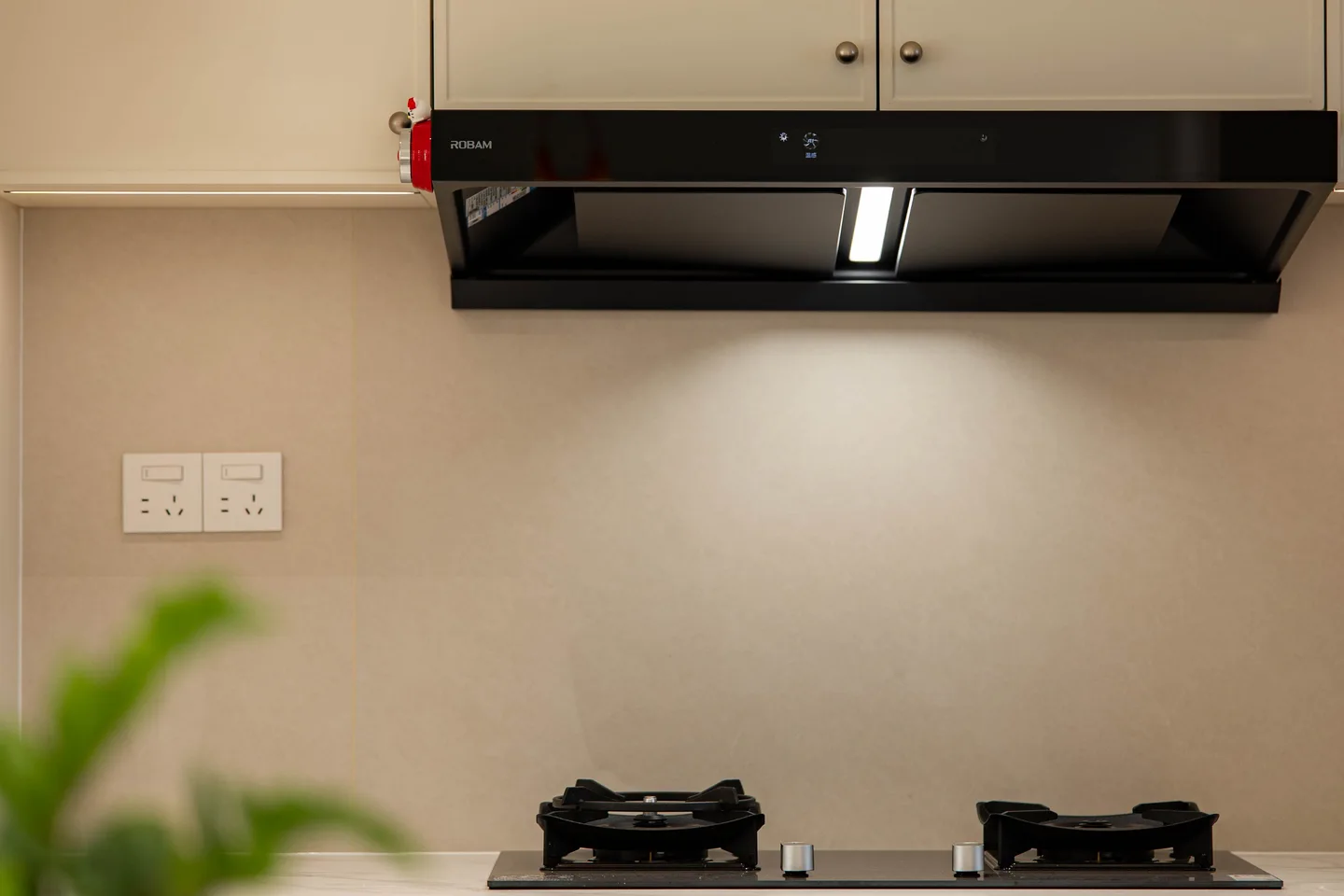
What else changes if the new hood moves more air?
Health Canada’s ventilation guidance explains that exhaust removes air from a home and can lower indoor pressure. Its guidance identifies large kitchen exhaust fans as one situation where this can matter. Tell the contractor about fuel-burning appliances, fireplaces and any other significant exhaust equipment so they can decide what should be assessed for the proposed installation. Have them explain whether replacement air or another specialist’s assessment belongs in the scope.
Keep that question separate from the model’s advertised performance. Ask what the installer will verify with the hood connected to the actual duct and how they will show you the controls and filters. If the home is a condo or has shared building systems, ask who can confirm the relevant building requirements before changing a duct or exterior opening. Leave design, wiring and penetrations to the appropriate trades.
What should go into the replacement quote?
Consider two hypothetical quotes for a hood under the same cabinet. One includes installation and assumes the existing duct connects outdoors. The other includes checking the outlet and duct first, then pricing any change separately. Before comparing totals, ask both contractors to identify what they are relying on, who checks it, and when they can confirm the equipment choice. That exposes an assumption you can resolve before buying.
Send both installers a short brief with five entries: existing hood and cooktop, proposed model if any, known venting mode, open questions about the duct, and any cabinet or exterior work you expect. Ask them to respond with the proposed operating mode, parts they will reuse, work assigned to each trade, and the handoff they will provide. Keep the answers with the written quote so the installer and any cabinet or electrical trade can work from the same plan.
What else should you ask the installer?
Can I tell the hood’s venting mode from its appearance?
The exterior of the hood can help you identify the model, but ask the installer to verify the installed configuration and outlet. If the route is concealed, record what is visible and what still needs checking before you rely on a particular replacement scope.
Can a convertible hood be installed either way?
Check the instructions for the exact model and ask which configuration the contractor proposes for your kitchen. Have them identify any required parts, what happens to the existing duct, and what they will show you at handoff so you know which mode was installed.
Who should check the vent if I only need a new appliance?
Ask whether the appliance installer checks the existing duct and termination or assumes those are suitable. If the duct needs investigation or changes, ask whether they handle that work or want a ventilation contractor involved before you order the replacement.
What should the installer show me at handoff?
Ask which operating mode they installed, where an outdoor exhaust terminates if applicable, and what they checked after installation. Have them demonstrate the controls and show you how to access the filters. Save the model information and any records of changes for later service.
Editorial and safety note
This guide summarizes public sources for planning and comparison. Rules, restriction stages, program funding, contacts, and emergency conditions can change. Verify current instructions with the responsible authority before acting.